History

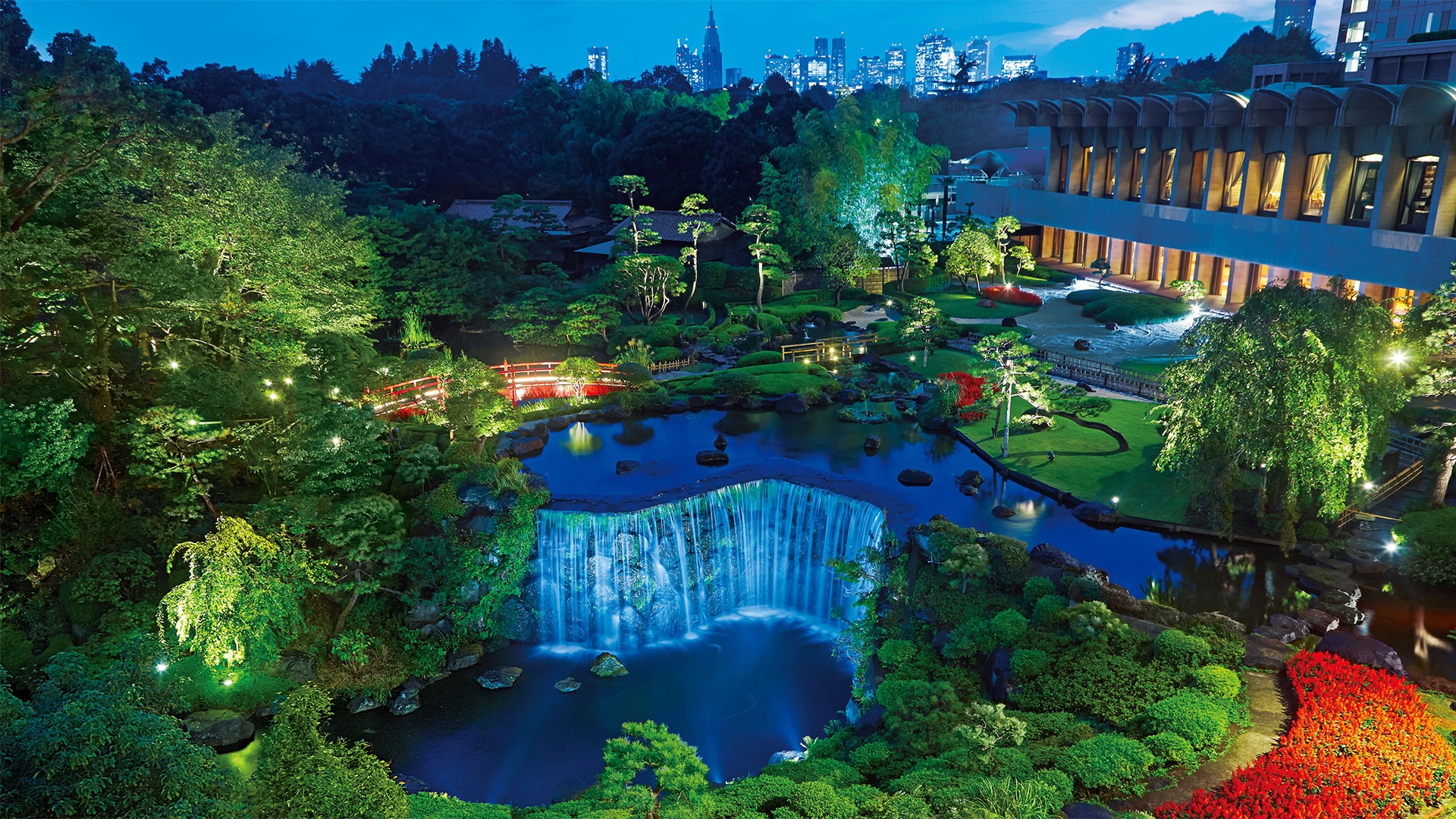
The history of the Japanese Garden dates back over 400 years to the time of the samurai lord Kiyomasa Kato (1562-1611), who owned one of his residences on this site. Kiyomasa, known for the legend of fighting tigers in Korea, had been a loyal follower of the historic ruler Hideyoshi Toyotomi (1536-1598). Kiyomasa lost power after Hideyoshi’s death; hence the land was turned over to the Ii family.

The Iis were dominant in the Shogunate Government of Edo. The most remarkable man in the family is Naosuke Ii (1815-1860), who was appointed Tairo or the Chief Minister. He is known for signing the first treaty of commerce with the U.S. in 1858, thereby opening the country to Western influence. This decision won him many enemies and few were surprised when he was later assassinated outside the Sakurada gate of Edo Castle.

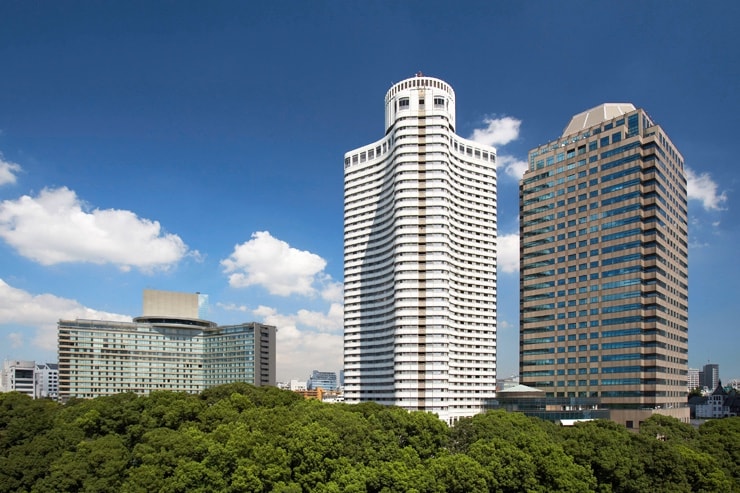
The name "Kioicho", the area which the Hotel now stands, is derived from the capital letters of "Kii-Tokugawa", "Owari-Tokugawa" and "Ii", the family names of those who resided here during the Edo period.

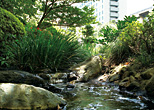
In the later years, the land became the property of Lord Fushiminomiya. It was from that time on that the Garden became noted for its sublime beauty. After the Second World War, the Fushiminomiya family sold the property to Yonetaro Otani, the founder of the Hotel New Otani, who renovated the garden into what is now known as the New Otani Japanese Garden today.